Apparel for Promotions: UK Buyer's Guide
Branded apparel is one of the most effective ways to put your logo to work every day—on-site, at events, and in welcome packs—while delivering real utility to the people who wear it. From polos and tees to jackets, caps and beanies, the key is balancing comfort, durability, and brand consistency with practical considerations like UK weather, workwear requirements, and decoration methods. This guide walks UK B2B buyers through shortlisting garments, planning decoration, and building a reliable specification that delivers on time and on budget.
Choosing the right garments for your brief
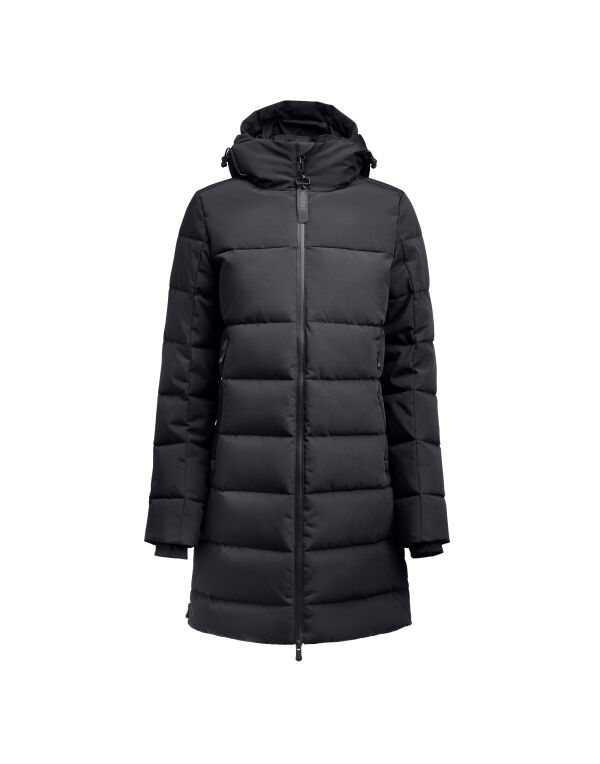
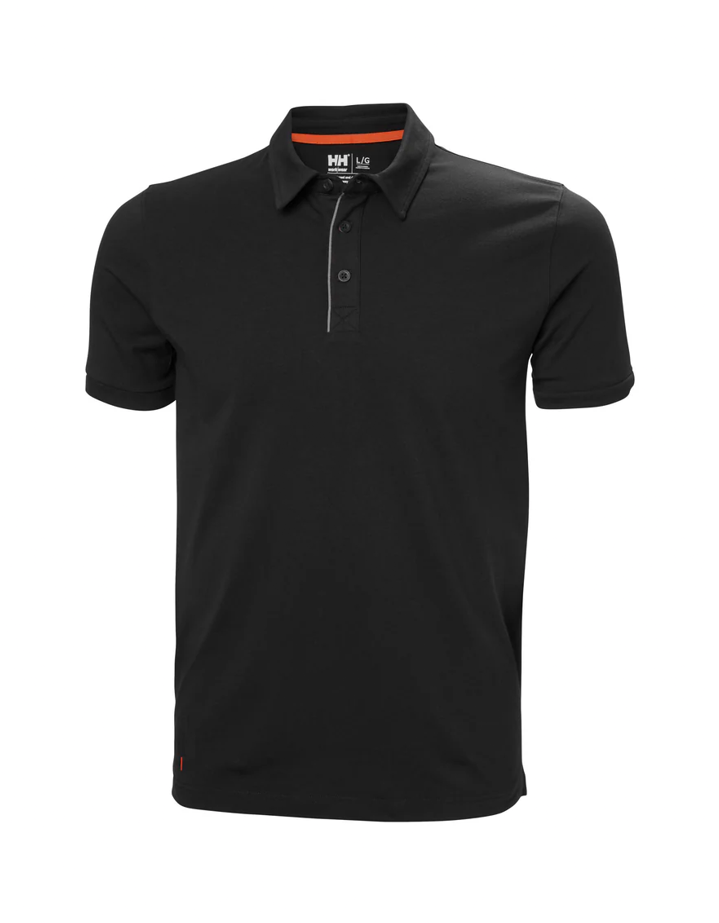
Start with who will wear the apparel and where it will be used. For smart-casual uniforms and front-of-house teams, polos such as the Men's Evo Polo or a Classic Fit Tipped Collar Polo provide a neat, consistent look that holds up through frequent washing. For giveaways, onboarding packs, or large events, a comfortable tee like the Men's Evolution Simple Dome Regular T keeps costs predictable across sizes while remaining easy to decorate. If you need outerwear for site visits or outdoor hospitality, a lightweight jacket such as the Ladies Northport Jacket offers a professional layer that pairs well over polos or knits. Consider fabric and weight for the UK climate: cotton and cotton-rich blends are breathable and familiar, while performance blends can wick moisture and dry faster—useful for active teams or changeable weather. Plan for inclusive sizing and fits (unisex and ladies), and check size charts early; adjusting your size ratio after production has started is costly and time-consuming. Think about colourways that complement your brand palette and how they will work with your logo; mid and dark base colours often hide wear better in high-usage settings. Finally, review care requirements and typical wash temperatures so the garments will last; durable, easy-care pieces reduce replacement cycles and total cost in use.
Branding and decoration: methods, artwork and proofing
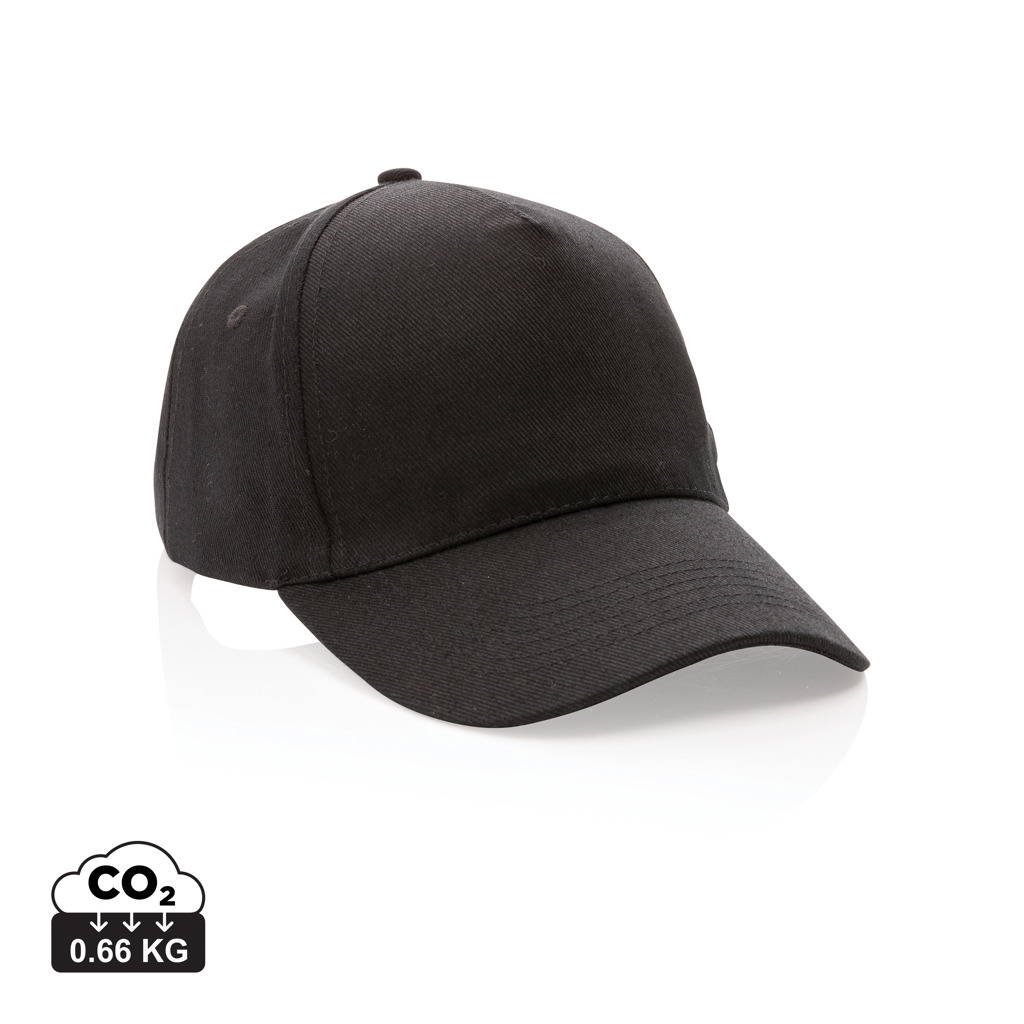
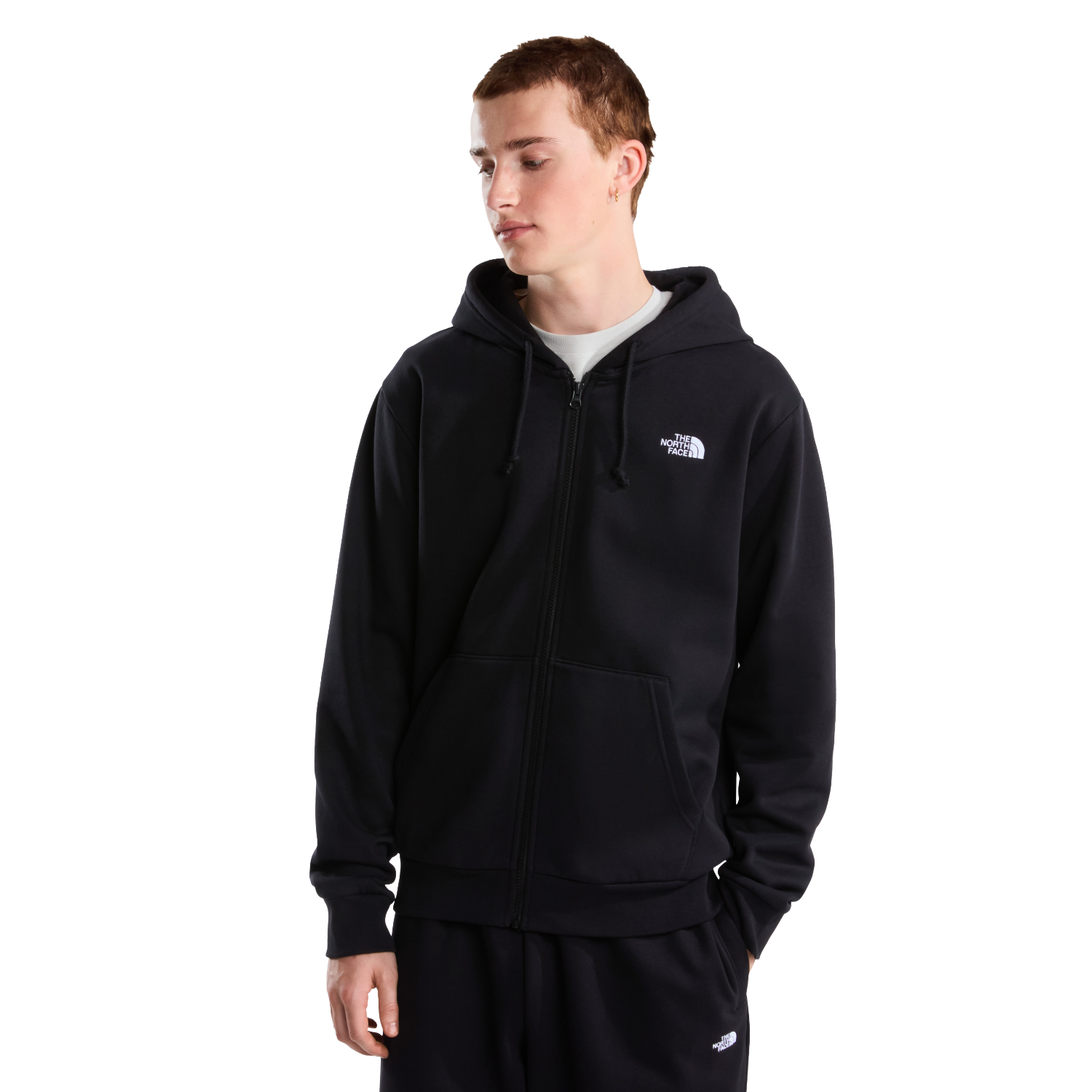
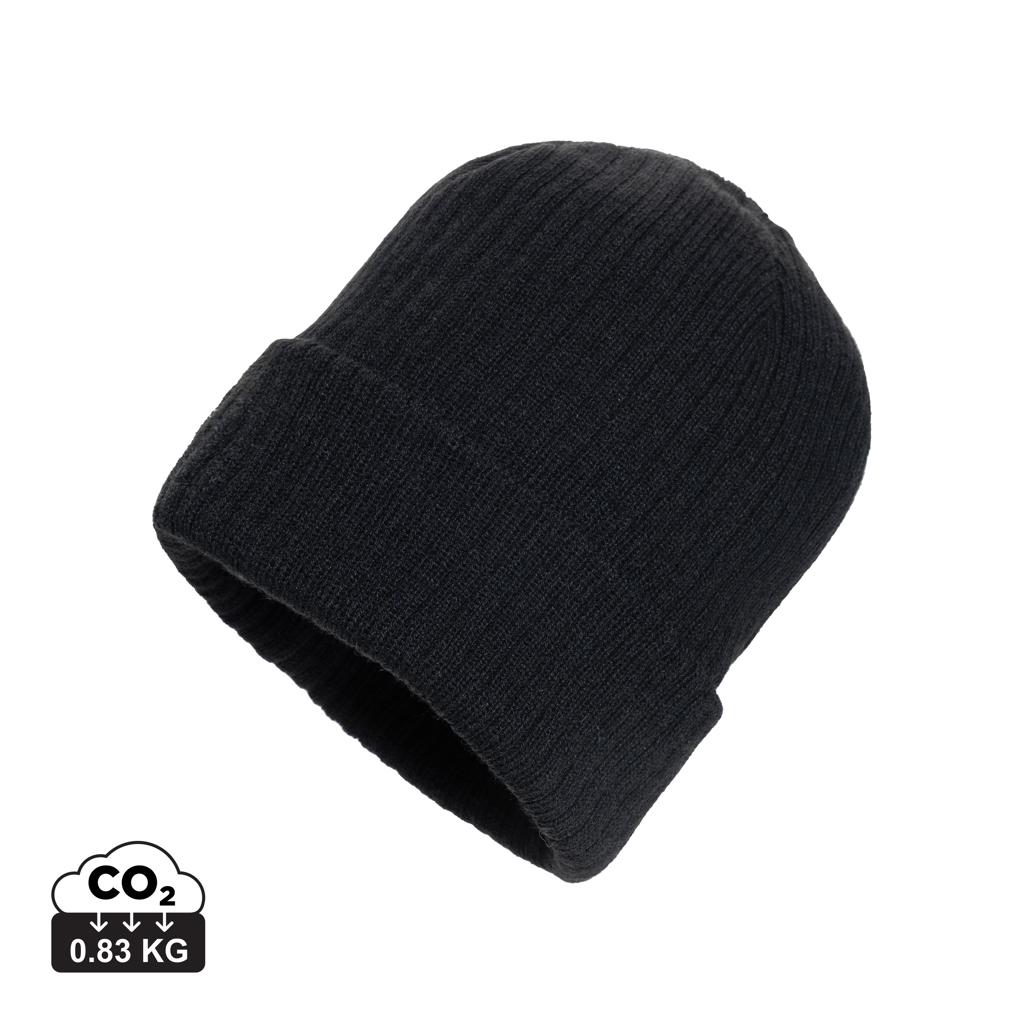
Match your decoration method to the fabric, usage, and desired finish. Embroidery is durable and premium on polos, outerwear, caps and beanies; high-quality polyester embroidery threads such as PolyNeon 40 Polyester Cone (single) are commonly used for crisp, colourfast stitching. Screen print and transfer print excel on tees and smooth-faced garments for bold, flat colour logos and large back prints. For headwear, think about the shape and branding area: the Impact 5panel 280gr Recycled cotton cap with AWARE™ tracer has a clean front panel that takes embroidery or patches well, while the Pryor AWARE™ Polylana® beanie with cuff offers a defined cuff area ideal for a small embroidered mark. Zipped midlayers like the Men's Evolution Simple Dome Regular Full Zip typically suit left-chest logos or sleeve placements; keep artwork clear of seams and zips. Provide vector artwork (AI, EPS, or PDF) and Pantone references for colour accuracy. Ask for stitch counts on embroidery and mock-ups showing placement and scale across sizes—what looks right on a small may appear undersized on a 2XL. If time allows, approve a pre-production sample; at minimum, sign off a digital proof. Confirm any packaging requirements (individually bagged or size-sorted cartons) and delivery splits across sites. Typical lead times run from one to three weeks depending on method and volume; allow buffer for approvals and inbound stock.
Sustainability and compliance
If you’re aiming for lower-impact apparel, prioritise verified materials and transparent supply chains. Traceable content is increasingly important: products carrying the AWARE™ tracer—such as the Impact 5panel 280gr Recycled cotton cap with AWARE™ tracer and the Pryor AWARE™ Polylana® beanie with cuff—help substantiate recycled-content claims and support credible messaging in your ESG reporting. Ask suppliers for relevant certifications (e.g., GRS for recycled content, Oeko-Tex Standard 100 for harmful substance testing) and ensure chemical compliance with UK REACH. Ethical sourcing matters too; request factory audit information (e.g., SMETA) and modern slavery statements. Decoration can also influence footprint and longevity. Choose durable methods that withstand your team’s typical wash routine to avoid premature replacements, and keep designs timeless so garments remain in circulation longer. Specify minimal packaging, consolidate shipments, and consider size curves that reduce waste. If you report carbon, capture material composition, weights (gsm), and quantities at quotation stage to support footprint estimates and year-end reporting.
Standout Products to Consider
If you need dependable uniform staples, the Men's Evo Polo balances a smart look with everyday practicality. For colder months or outdoor teams, the Ladies Northport Jacket adds a professional layer that brands cleanly. And for eco-conscious headwear, the Pryor AWARE™ Polylana® beanie with cuff delivers a neat embroidery area with traceable material credentials.


Common Mistakes to Avoid
Common pitfalls include choosing styles for looks over wearability, under-ordering key sizes, or picking base colours that fight your brand palette. Small, intricate details don’t translate well in embroidery; simplify artwork or switch methods. Skipping proofs invites placement or scale errors, and leaving sustainability checks until after ordering limits your options. Finally, tight timelines without buffer for approvals, stock intake, or reworks are the most frequent cause of missed event dates.
Buyer's Checklist
- Define wearer, environment, and purpose (uniform, event, retail, onboarding).
- Choose fabric, weight and features suited to UK seasons and activity levels.
- Confirm inclusive size range, fit (unisex/ladies), and colourways early.
- Select decoration method; provide vector artwork and Pantone references.
- Approve placement/scale proofs and, if possible, a pre-production sample.
- Plan lead time, packing (size-sorted), and delivery splits across locations.
Frequently Asked Questions
What lead times should I plan for branded apparel in the UK, from approval to delivery?
Which decoration method (embroidery, screen print, transfer) is best for my logo and fabric?
Can you match my Pantone colours across different garments and decoration methods?
How do I choose the right size curve and fit mix for a mixed team?
What artwork files do you need, and can I approve a pre-production sample before full run?